
Until Then - Review - Xbox


I loved Until Then when it first released on Steam. It was one of those rare narrative games that quietly lodged itself in my mind, the kind of story that lingers in the background of your day long after you’ve closed the window. Coming back to it on Xbox, I expected a familiar experience, a nostalgic return to a game I already adored. What I didn’t expect was how much richer, more atmospheric, and more emotionally resonant it would feel on a console screen. The story hasn’t changed, but the way it lands absolutely has.
Until Then begins as a slice‑of‑life drama set in a Philippines‑inspired world still recovering from a past catastrophe. You follow Mark Borja, a high‑school student whose life is a patchwork of early alarms, school corridors, piano practice, awkward crushes, and the tiny social rituals that define adolescence. The opening hours are intentionally mundane, almost deceptively so. You scroll through your phone, reply to texts, procrastinate on homework, and drift through days that feel warm, familiar, and grounded. It’s a world built from small details, the kind you don’t realise you’re becoming attached to until the game starts pulling them away.

The brilliance of Until Then is how it uses that normality as a weapon. A single encounter triggers a slow, creeping unraveling. People begin to disappear. Conversations you remember suddenly never happened. Memories feel unreliable, as if the world is quietly rewriting itself when you’re not looking. The game never leaps into sci‑fi theatrics; instead, it lets the uncanny seep in through cracks in the everyday. A missing friend. A contradictory message. A moment where Mark hesitates, unsure whether he’s misremembering something or whether reality is misremembering him. It’s subtle, unsettling, and incredibly effective.
The gameplay is deceptively simple, but it’s the emotional architecture of the entire experience. You perform everyday tasks like typing messages letter by letter, plugging in USB sticks, practising piano, paying for jeepney rides, completing school projects and each interaction grounds you deeper in Mark’s life. These aren’t minigames for the sake of variety; they’re character moments disguised as mechanics. They make the world tactile, lived‑in, and emotionally legible. So when the game begins to distort those same interactions, the effect is immediate and unnerving. A familiar rhythm minigame suddenly feels “off.” A UI element behaves in a way you don’t expect. A message arrives that contradicts something you’re sure you saw earlier. The gameplay becomes part of the mystery, part of the psychological tension, and part of Mark’s unraveling perception.
The phone is the game’s most powerful storytelling tool. It’s where friendships develop, where clues hide, where tone shifts, and where the earliest signs of narrative instability appear. Texts change tone. Notifications don’t match your memory. Social posts hint at events you don’t recall. The phone becomes a second protagonist or perhaps an unreliable narrator and the Xbox version’s larger screen makes these subtle shifts even more noticeable. Because I’d already played the Steam release, I found myself catching foreshadowing everywhere: a line that once felt throwaway now feels loaded, a hesitation in Mark’s typing suddenly reads like fear, and a background detail becomes a clue I completely missed the first time.
The characters are what make all of this work. Mark is a wonderfully ordinary protagonist, not a hero, not a prodigy, just a kid trying to keep up with his own life. His friends feel equally real. Rica is sharp and perceptive, the kind of friend who can read your mood from a single text. Louie masks his own struggles behind humour, and the game lets you see the cracks in that facade. Nicole is warm, talented, and quietly complicated, sitting at the intersection of Mark’s personal life and the game’s larger mystery. Even the adults like teachers, parents, authority figures feel emotionally distant in a way that becomes more unsettling as the story progresses. This ensemble doesn’t feel like a cast; it feels like a community. So when people begin to disappear, it doesn’t feel like a plot twist. It feels like losing someone you genuinely knew.

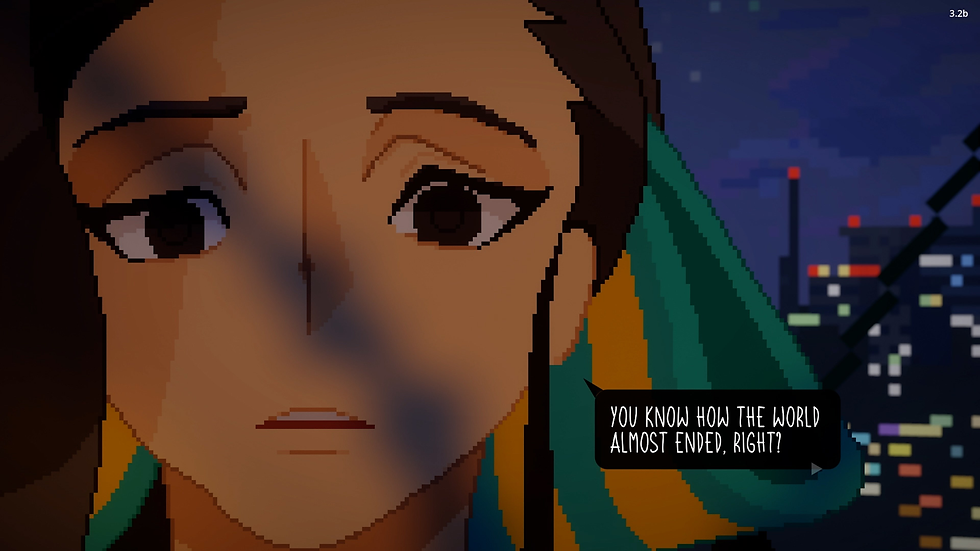
Visually, the Xbox version is stunning. The pixel art blends with 3D elements to create a world that feels nostalgic and modern at the same time. Warm lighting, soft shadows, and reflective surfaces give scenes a cinematic weight that amplifies the emotional beats. The Philippine‑inspired environments with its bustling streets, classrooms, coastal towns feel authentic and lived‑in. The soundtrack, meanwhile, is gentle but devastating, with piano motifs that echo Mark’s inner turmoil and ambient tracks that make even simple scenes feel loaded with meaning.
What struck me most on this second playthrough is how Until Then uses its pacing. The slow opening isn’t filler; it’s foundation. The game needs you to feel comfortable, to feel safe, to feel like you understand this world. Only then does it begin to take things away. The emotional impact comes not from shock, but from erosion from the quiet horror of watching a life you’ve grown attached to slip through your fingers.

Pros
Beautiful, emotionally rich story that rewards attention
Stunning pixel‑art presentation with cinematic lighting
Characters who feel real, grounded, and deeply human
Clever use of in‑game technology to deliver narrative twists
Minigames that enhance the story rather than distract from it
A Philippine‑inspired setting that feels fresh and authentic
Cons
The slow opening may test impatient players
Some minigames feel slightly fiddly on a controller
The story’s ambiguity won’t land for everyone
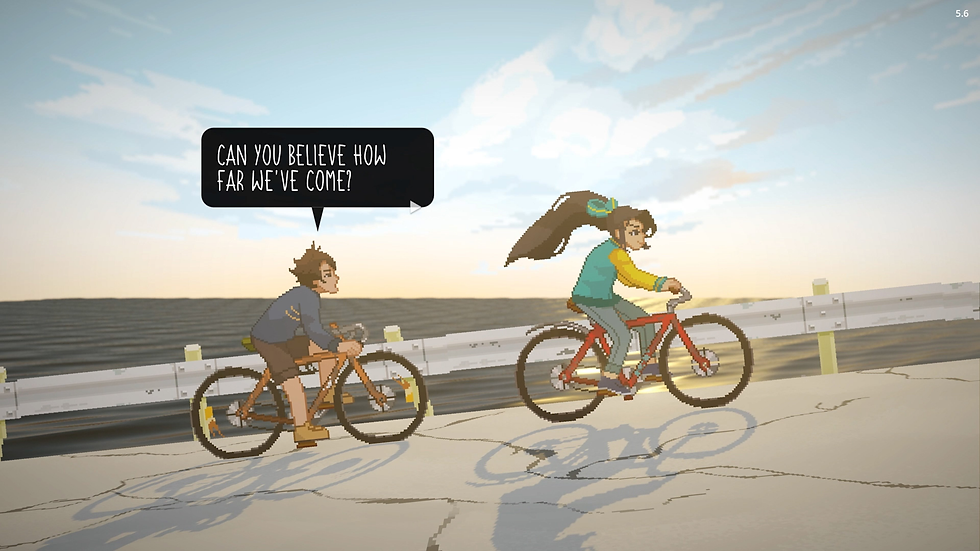
In the end, Until Then on Xbox is everything I loved about the original Steam release only sharper, more atmospheric, and more emotionally resonant. It’s a narrative adventure that trusts you to pay attention, to care, and to sit with discomfort. It’s not loud or flashy, but it’s unforgettable. If you’re drawn to story‑driven games that linger long after the credits roll, this is one of the most affecting experiences on Xbox right now.
XPN Rating: 5 out of 5 (PLATINUM)

Until Then is available now!


Comments